
Overview
Notebook rigid boxes serve the more utilitarian, wholesale-oriented end of the stationery packaging spectrum — built for everyday notebooks sold at volume through retail and office supply channels, this format prioritizes efficient, cost-effective protection over the more elaborate, gift-oriented presentation used for premium journal packaging. Getting that cost-to-quality balance right matters more here than in almost any other format, since even a small per-unit savings compounds meaningfully across the large order volumes this category typically involves.A Utilitarian, Wholesale-Friendly Format
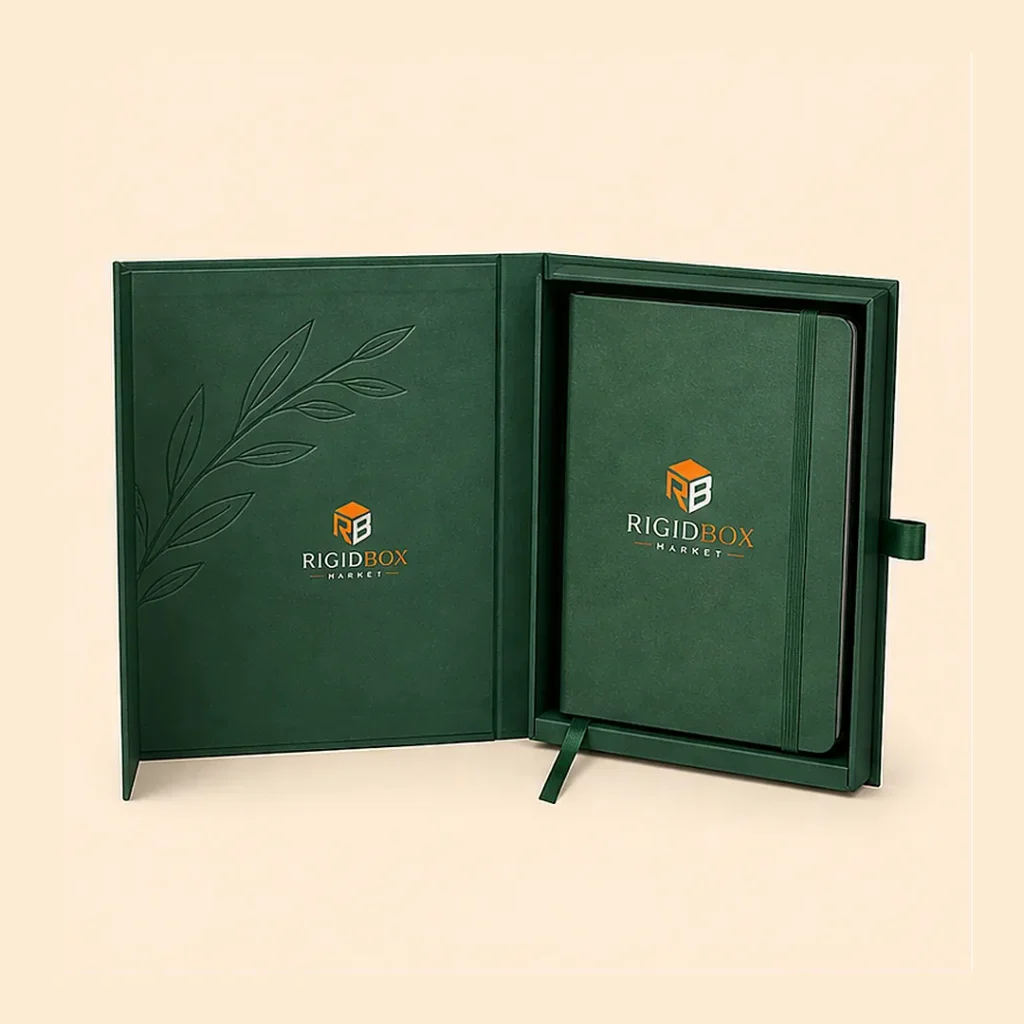
The shell uses standard rigid chipboard construction, with footprint and depth built around common notebook sizes, and interior support is typically a simple platform rather than an elaborate cushioned cavity, since notebooks are relatively sturdy, flat products that don't require the same level of protective engineering as fragile or irregularly shaped items. Standard sizes, A5, A4, or common US letter-adjacent dimensions, cover the overwhelming majority of notebooks sold, which lets a brand work from proven, existing box specifications rather than commissioning a fully custom size for every product. Because this format frequently serves large wholesale and retail orders rather than individualized gift purchases, production efficiency and cost per unit tend to matter more here than the highly customized finishing common in premium stationery formats. A retailer stocking dozens of notebook SKUs across different colors and sizes benefits more from one efficient, repeatable box specification than from a dozen individually customized designs. Multi-notebook configurations, holding a set of two or three notebooks in different sizes or colors, are common for brands selling coordinated stationery collections, giving customers a complete matched set rather than requiring separate individual purchases. A three-pack in small, medium, and large sizes is a particularly common configuration, covering a range of everyday note-taking needs in one purchase.Customization Options
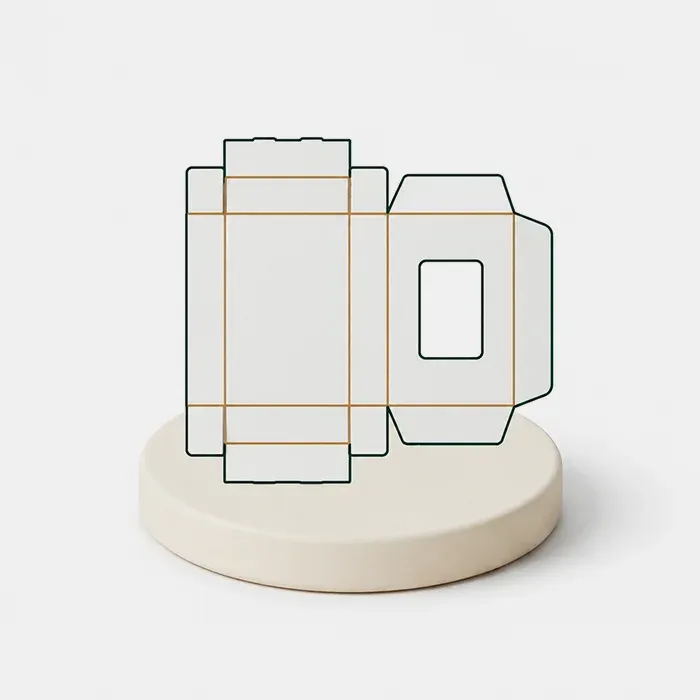
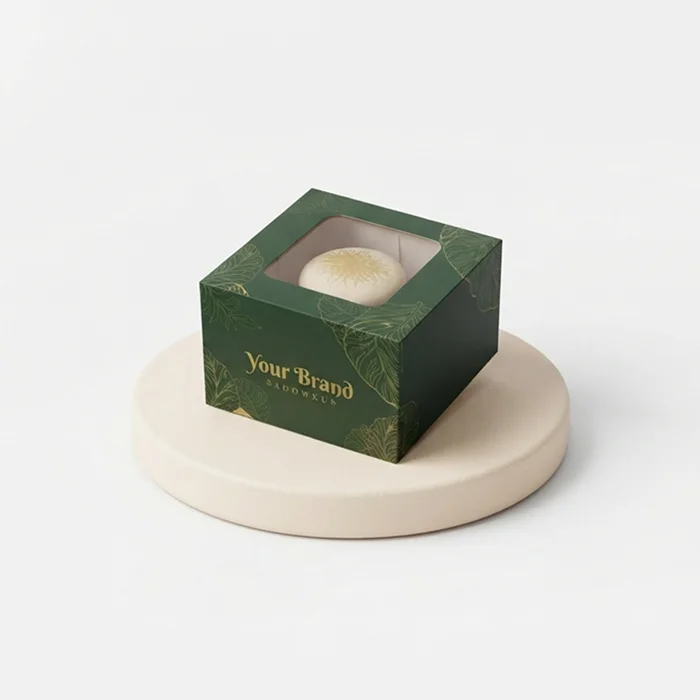
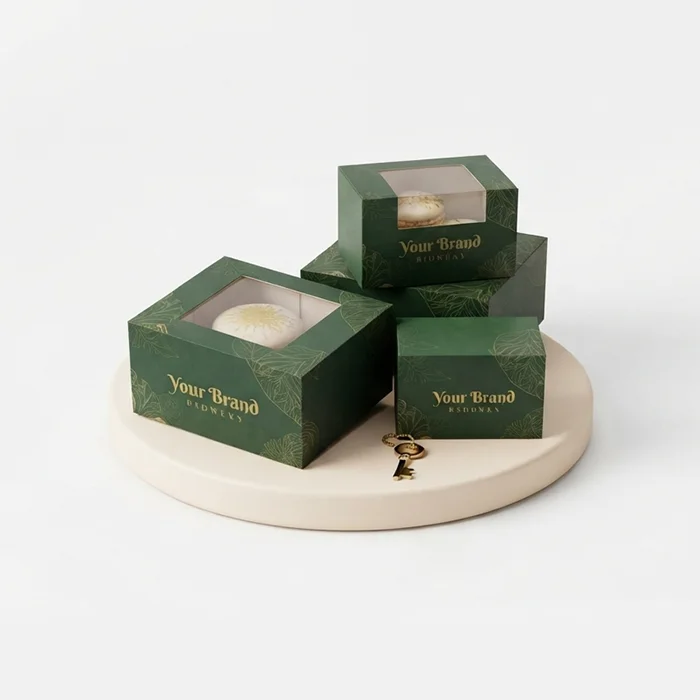
Footprint and interior configuration can be built around common notebook sizes, and this format accepts the full range of standard finishing — foil stamping, embossing, debossing, spot UV, and matte, gloss, or soft touch lamination, though many brands in this category favor simpler, more cost-efficient finishing given the format's wholesale positioning. A single foil logo mark against an otherwise plain, uncoated exterior is a common way to add a bit of polish without meaningfully increasing per-unit cost. Multi-notebook sets and window cutouts for showing cover design are both common additions for retail-focused notebook packaging. A window is especially useful for notebooks with a distinctive cover pattern, letting that design work as its own point of shelf appeal.- Footprint sized to common notebook dimensions
- Simple, cost-efficient interior platforms
- Multi-notebook configurations for coordinated sets
- Foil stamping, embossing, debossing, and spot UV finishing available
- Matte, gloss, or soft touch lamination