

Overview
Glassware rigid boxes focus specifically on drinkware and tableware — glasses, tumblers, stemware, and similar sets meant to be used rather than simply displayed — which distinguishes this format from packaging built for decorative or irregularly shaped glass objects, since a matched set of drinking glasses shares a far more predictable, repeatable shape than a one-off decorative piece would. That predictability is actually an advantage in production terms, since a single cavity design can be replicated identically across every piece in a set rather than requiring a custom shape for each individual item.Protecting Drinkware and Tableware
The shell uses reinforced rigid chipboard construction, and because glassware is almost always sold and shipped as a matched set rather than a single piece, the interior insert is built around multiple identical cavities, each one shaped to the specific glass profile and separated by dividers that keep every piece from making direct contact with its neighbors. Stemware in particular needs support along the full length of the stem, not just the base, since an unsupported stem is one of the most fragile points across the entire drinkware category and a common source of breakage in sets that only cushion the glass's bowl or base. A wine glass supported only at its wide bowl and heavy base still leaves the thin stem connecting them completely exposed to snapping under lateral pressure during shipping. Because glassware sets are frequently sold in even numbers, four, six, or eight pieces, compartment count and layout tend to follow standard set sizes rather than the more varied, one-off configurations common in general glass packaging. That standardization lets a brand reuse the same core cavity tooling across their entire glassware line, adjusting only the specific glass profile within an otherwise consistent compartment grid.Customization Options
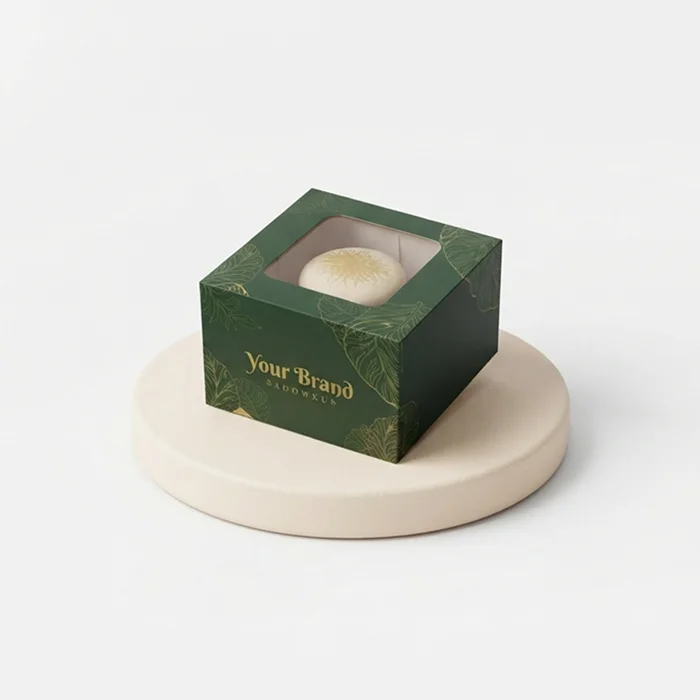
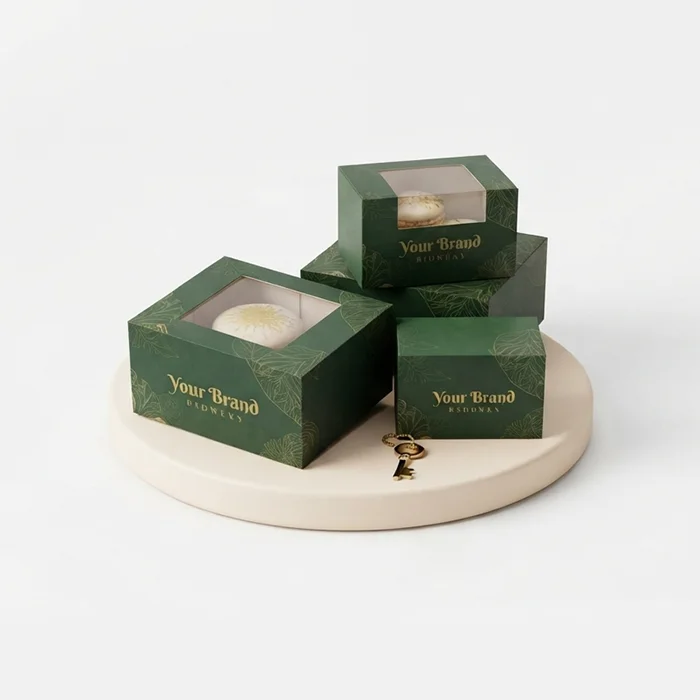
Cavity shape, spacing, and stem support can all be built around a specific glassware set, and compartment count can be adjusted for standard set sizes or custom quantities. Standard exterior finishing includes foil stamping, embossing, debossing, spot UV, and matte, gloss, or soft touch lamination, and home goods brands frequently favor a refined, minimal exterior that reflects the elegance of the glassware itself rather than a bold, competing design. A window cutout is a common addition, letting the glass pattern or cut detail be visible without opening the box.- Multi-cavity inserts sized to standard glassware set counts
- Full-length stem support for stemware pieces
- Individual dividers preventing glass-to-glass contact
- Foil stamping, embossing, debossing, and spot UV finishing
- Optional window cutout to showcase pattern or cut detail